The New York Times Games (NYT Games) is a collection of casual print and online games published by The New York Times, an American newspaper. Originating with the newspaper's crossword puzzle in 1942, NYT Games was officially established on August 21, 2014, with the addition of the Mini Crossword. Most puzzles of The New York Times Games are published and refreshed daily, mirroring The Times' daily newspaper cadence.
The New York Times Games is part of a concerted effort by the paper to raise its digital subscription as its print-based sales dwindle. Since its launch, NYT Games has reached viral popularity and has become one of the main revenue drivers for The New York Times. As of 2024, NYT Games has over 10 million daily players across all platforms and over one million premium subscribers. According to one member of staff, "The half joke that is repeated internally is that The New York Times is now a gaming company that also happens to offer news."
History
1942–2014: The New York Times Crossword
The New York Times has used video games as part of its journalistic efforts, among the first publications to do so, contributing to an increase in Internet traffic; In the late 1990s and early 2000s, The New York Times began offering its newspaper online, and along with it the crossword puzzles, allowing readers to solve puzzles on their computers. This marked the beginning of a digital expansion that would later include a variety of games beyond crosswords.
2014–2022: Release
In 2014, The New York Times officially launched The New York Times Games with the addition of the Mini Crossword. In the same year, The New York Times Magazine introduced Spelling Bee, a word game in which players guess words from a set of letters in a honeycomb and are awarded points for the length of the word and receive extra points if the word is a pangram. The game was proposed by Will Shortz, created by Frank Longo, and has been maintained by Sam Ezersky. In May 2018, Spelling Bee was published on NYTimes.com, furthering its popularity. In February 2019, the Times introduced Letter Boxed, in which players form words from letters placed on the edges of a square box, followed in June 2019 by Tiles, a matching game in which players form sequences of tile pairings, and Vertex, in which players connect vertices to assemble an image.
2022–present: Acquisition of Wordle and further growth
In January 2022, The New York Times Company acquired Wordle, a word game developed by Josh Wardle in 2021, at a valuation in the "low-seven figures". The acquisition was proposed by David Perpich, a member of the Sulzberger family who proposed the purchase to Knight over Slack after reading about the game. The Washington Post purportedly considered acquiring Wordle, according to Vanity Fair. At the 2022 Game Developers Conference, Wardle stated that he was overwhelmed by the volume of Wordle facsimiles and overzealous monetization practices in other games. Concerns over The New York Times monetizing Wordle by implementing a paywall mounted; Wordle is a client-side browser game and can be played offline by downloading its webpage. Wordle moved to the Times's servers and website in February. The game was added to the NYT Games application in August, necessitating it be rewritten in the JavaScript library React. In November, The New York Times announced that Tracy Bennett would be Wordle's editor.
In March 2023, the NYT Crosswords app was renamed to NYT Games to address the application's other games, including Wordle, Spelling Bee, Tiles, and Sudoku. According to Jonathan Knight, chief executive of The New York Times Games, the Times was concerned over how the application would rank in search results for "crossword". In July 2023, The New York Times introduced Connections, in which players identify groups of words that are connected by a common property. In April, the Times introduced Digits, a number-based game; Digits was shut down in August.
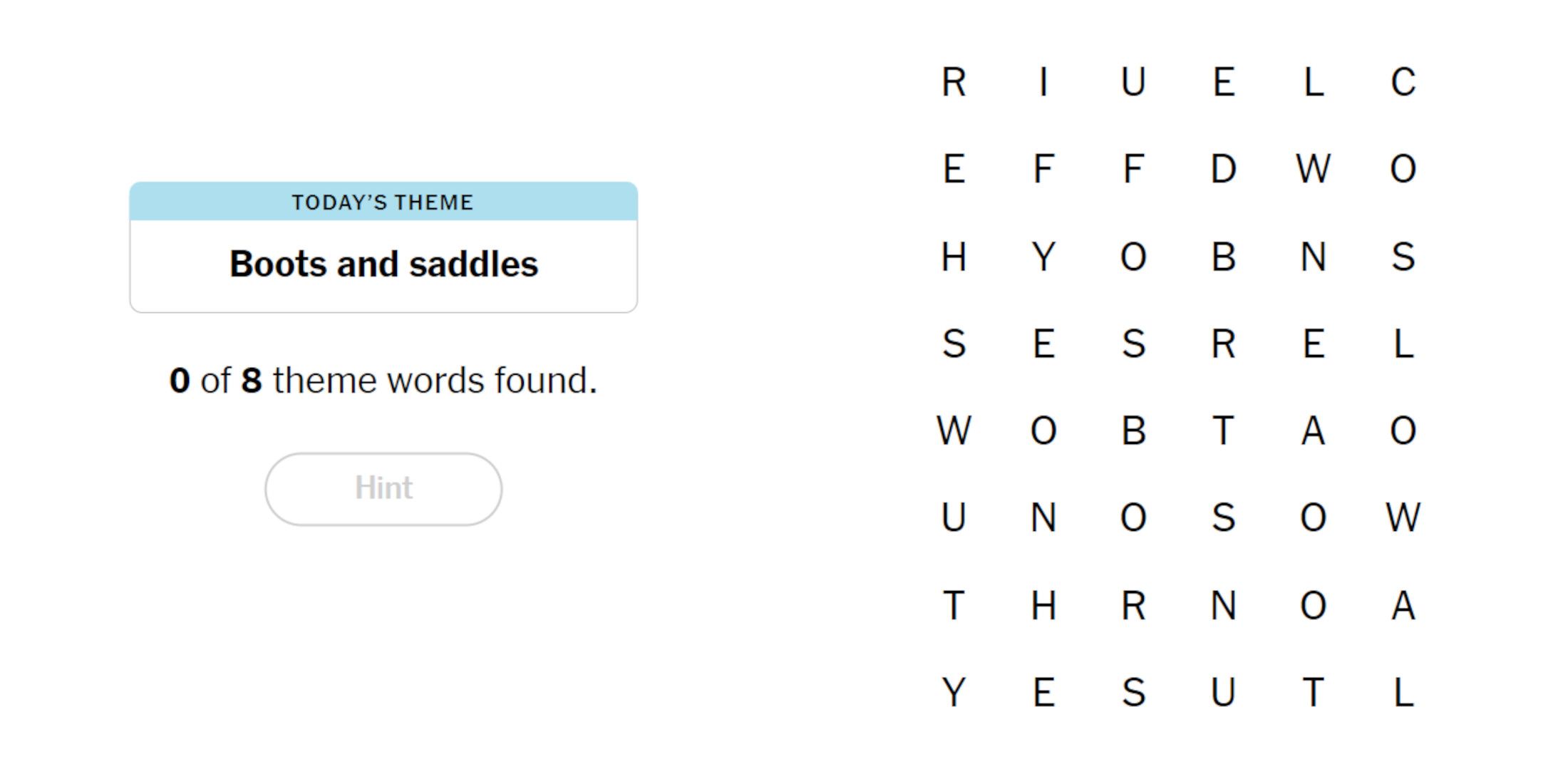
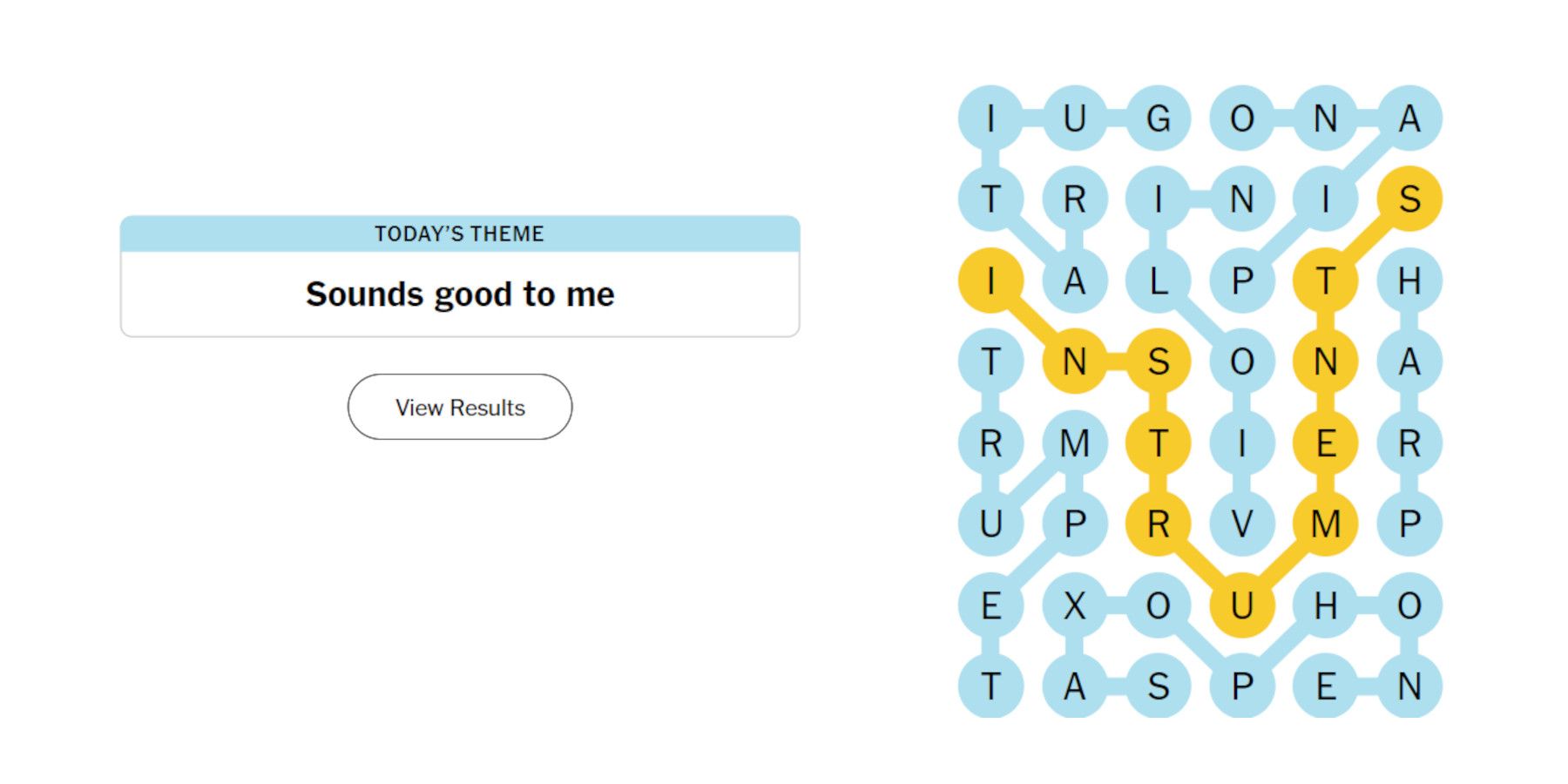
In March 2024, The New York Times introduced the beta game Strands, a word game in which players connect letters in a grid to reveal a group of words sharing a common theme. It left the beta stage and became a full game in late June 2024 while also being added to the NYT Games app. In August 2024, it was announced that Vertex would be discontinued at the end of the month. In September 2024, The Athletic, in partnership with The New York Times Games, launched a sports edition of Connections in beta. The next month, Zorse, a phrase guessing game where every puzzle is a mash-up of two phrases, entered beta in Canada. Connections: Sports Edition officially launched on February 9, 2025, to coincide with Super Bowl LIX.
List of games
Current
Active
Betas
Former
Popularity
Since its inception, The New York Times Games' player base has grown rapidly. In 2020, more than 28 million people played at least one game. Within one year from October 2022 to 2023, the number of average daily active users in the Games app tripled from 886,000 to over 2.6 million, while as of 2024, Games has over 10 million daily players across all platforms, both app and website.
Impact
Social
NYT Games has had major impact on popular culture and discourse, including online. Social media in particular contributed to its rising popularity, with users posting their NYT Games' puzzle results en masse thanks to Games' ease of sharing. Wordle results were shared 1.2 million times on Twitter (now X) between January 1 and 13, 2022, while Connections results similarly trending. On TikTok as of May 2024, 140,000 videos with the hashtag #wordle were present, with videos about Connections "regularly rack up hundreds of thousands of views". Accounts dedicated to solving NYT Games' crosswords and puzzles amassed millions of followers, with several figures converting these accounts into full-time jobs.
Thanks to its popularity, some NYT Games' editors reached celebrity status, such as Will Shortz, the NYT Crossword editor since 1993; Sam Ezersky, editor of Spelling Bee; Wyna Liu, editor of Connections; and Tracy Bennett, editor of Wordle. Some editors get tagged frequently on Twitter by their game's "die-hard" fan base, albeit sometimes negatively due to complaints about the day's puzzle construction itself.
Cognitive
The rise in popularity of the NYT Games has also led to increased interest in the cognitive impact these games have on the people playing them. Regularly playing games like Connections and Crosswords require classification, pattern recognition, and problem-solving, helping players develop mental flexibility. Even if players don’t solve a puzzle specifically, they often expand their knowledge by learning new words or concepts. Another cognitive benefit is overcoming mental resistance. Connections pushes players to engage in difficult tasks, challenging the human tendency to avoid discomfort. This mental exercise strengthens perseverance and adaptability, which are valuable cognitive skills. Beyond these skill enhancements, regular puzzle-solving has been associated with slower brain shrinkage, particularly in the hippocampus and cortex, with crossword solvers showing 0.5% to 1% less shrinkage over 18 months. While there are proven cognitive benefits for older adults, the impact on people with normal cognition is less studied. However, the problem-solving and memory benefits likely extend to younger individuals as well and can serve as a productive break from passive screen time, providing mental stimulation instead of aimless scrolling.
User experience research
The New York Times Games hires editors and a structured research process to develop and refine its games. For games like Wordle, editor Tracy Bennett works roughly one month in advance, and spends around two hours every week selecting and arranging the upcoming words for the game. The process involves randomly selecting candidate words from a database, researching their meanings, and evaluating the different letter combinations to identify potential "lucky guess" words that could take on user strategy.
User feedback also plays a key role in the development process. The Times collects responses from players through various forms such as community forums, social media, and direct emails. From there, they review this feedback weekly to identify any recurring concerns or themes. In response to player feedback, specifically through experiments with holiday-related words, the Times decided to avoid themed puzzles for Wordle as they received negative responses from players who felt it disrupted the game's random nature.
Since early 2023, the Times has implemented an external testing process for Wordle and other games. Approximately 35 testers receive puzzles three to four weeks before public release. Their role is to provide feedback that helps decide difficulty levels and establish variety through puzzles. Along with qualitative feedback, the development team also utilizes quantitative data such as solve rates to guide improvements that balance analytics and creativity.
According to Everdeen Mason, editorial director for NYT Games, "Data is very important in what we do... But I really want [the editors] to have a lot of creative freedom and passion, because I think it does make the puzzles better."
Business impact and revenue
Games has become one of the main revenue drivers for The New York Times. As of 2023, NYT Games has "over one million" premium subscribers, with then chief product officer Alex Hardiman credited Games as one of the large factor in the Times' overarching news subscriber growth, mentioning "a lot of people are actually buying the bundle through our Games product." In an SEC filing, Games has more popularity and interaction than any other products The New York Times offers, including its core news offering. According to one member of staff, "The half joke that is repeated internally is that The New York Times is now a gaming company that also happens to offer news," as reportedly "[p]eople who engage with both news and games on any given week have the best long-term subscriber retention of any product combination". First-party advertising campaigns on NYT Games website have above-average level of awareness, attributed to "the brief nature of the Times’ puzzles, which are designed to be completed in a matter of minutes, [which] also means they elicit a heightened level of focus from players".
See also
- Merriam-Webster#Word games
- Encyclopædia Britannica
References
External links
- Official website